SPONSORED CONTENT

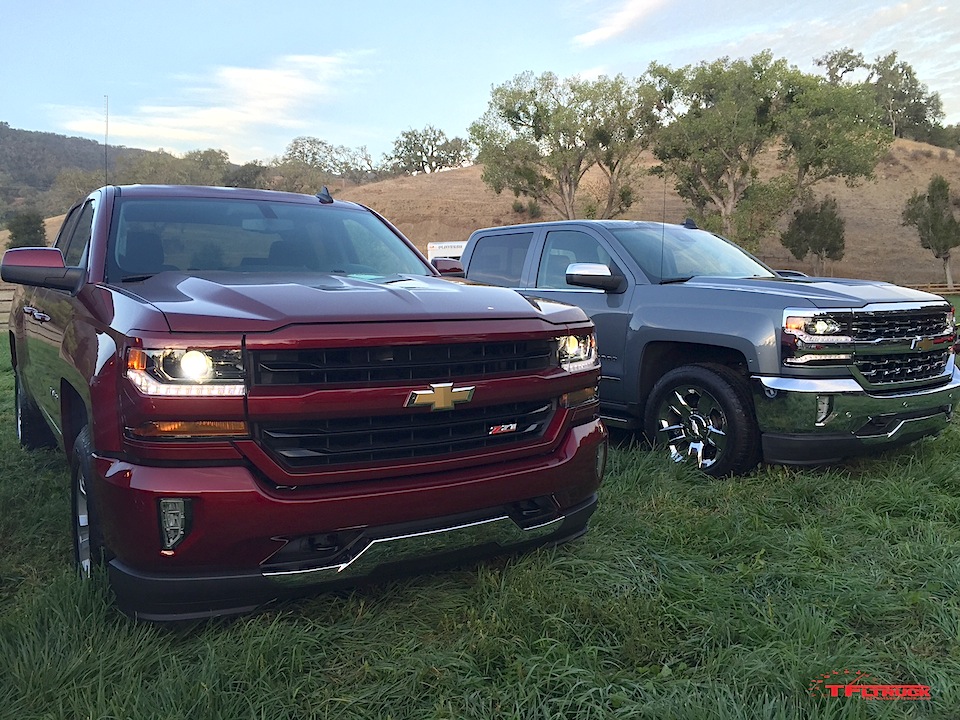
Pickup trucks have become larger and more capable than ever, dominating America’s highways with advanced towing capacities, powerful engines, and impressive off-road capabilities. Yet despite decades of safety innovations, one persistent problem continues to plague these vehicles: blind spots. Across America, where pickup trucks are among the most popular vehicles on the road, blind spot-related accidents remain a significant safety concern, causing serious injuries and fatalities on highways from Seattle to Miami.
The issue isn’t just about driver awareness—it’s about the fundamental design of modern pickup trucks and the unique challenges they present on busy roadways.
The Growing Blind Spot Problem in Modern Pickups
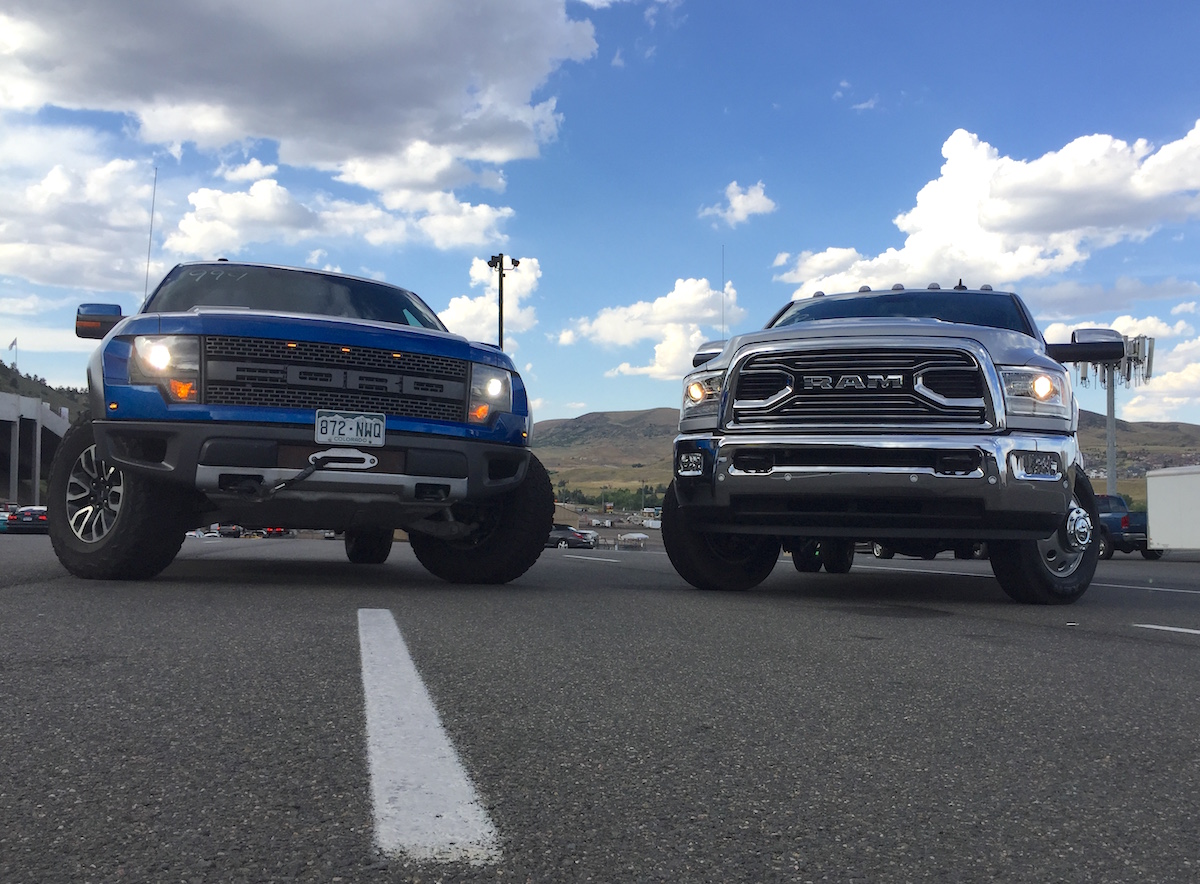
Today’s pickup trucks are significantly taller and wider than their predecessors from just two decades ago. While these dimensions provide better ground clearance and interior space, they also create substantially larger blind spots. According to the National Highway Traffic Safety Administration, the average front blind zone for pickup trucks extends approximately 11 feet from the front bumper, nearly double that of sedans and compact SUVs.
A Florida Department of Transportation report notes that lane-change and merging accidents involving large vehicles, including pickup trucks, represent a significant portion of highway collisions. These blind spots exist in four critical areas: directly in front of the vehicle, immediately behind it, along both sides (particularly the passenger side), and during wide turns. The passenger-side blind spot is especially dangerous, extending several lanes on Florida’s multi-lane highways.
Why United States Highways Amplify the Risk
Florida’s highway infrastructure and traffic patterns create unique conditions that make blind spot accidents more likely. Take, for example, Interstate 4, which runs through Orlando, consistently ranks among the most dangerous highways in America. The combination of high-speed traffic, frequent lane changes, and the prevalence of both large trucks and smaller passenger vehicles creates countless opportunities for blind spot collisions.
Florida’s year-round tourist traffic adds another layer of complexity. Drivers unfamiliar with local roads may not recognize the dangers of lingering in a pickup truck’s blind spot, while distracted or fatigued truck drivers may fail to properly check these zones before changing lanes or merging.
Technology Hasn’t Solved the Problem
Modern pickup trucks increasingly come equipped with blind spot monitoring systems, rear-view cameras, and advanced sensor technology. Studies from the Insurance Institute for Highway Safety show that blind spot warning systems can reduce lane-change crashes by approximately 14 percent. However, these systems aren’t foolproof.
Many blind spot monitoring systems have limitations in detecting motorcycles, bicycles, and pedestrians. They may also fail to alert drivers during certain weather conditions or if sensors become dirty or misaligned. Furthermore, not all pickup trucks on the roads are equipped with these technologies, particularly older models that remain in widespread use.
Driver complacency represents another challenge. When operators become overly reliant on technology, they may neglect traditional safety practices like physically checking blind spots before changing lanes. The Federal Motor Carrier Safety Administration reports that failure to properly observe surroundings accounts for a significant percentage of commercial vehicle accidents—a pattern that extends to personal pickup trucks as well.
Legal Implications When Blind Spot Accidents Occur
When a blind spot accident results in injuries, determining liability becomes crucial. In Florida, for example, drivers have a legal responsibility to check their blind spots before changing lanes, merging, or making turns. Failure to do so can constitute negligence, particularly if the driver had the means to detect other vehicles but failed to use proper precautions.
Accident victims injured by drivers who failed to check blind spots may face substantial medical expenses, lost wages, and long-term rehabilitation costs. These cases often involve complex investigations to reconstruct the accident and determine exactly what the driver could or should have seen. Skilled lawyers for semi‑trucks can help evaluate these cases, gathering evidence such as witness statements, traffic camera footage, and vehicle data to establish liability and pursue fair compensation.
Insurance companies sometimes attempt to shift blame to the vehicle that was in the blind spot, arguing that they should have avoided the danger zone. However, not all states’ laws are the same. Take Florida; its laws place the primary responsibility on the driver making the maneuver to ensure it can be completed safely.
Protecting Yourself on the Highway
For drivers of smaller vehicles, understanding and avoiding pickup truck blind spots is essential for safety. The “no-zone” concept—areas where truck drivers cannot see you—applies to pickup trucks just as it does to commercial semi-trucks, albeit on a smaller scale.
If you cannot see the pickup truck driver in their side mirror, assume they cannot see you. Avoid lingering alongside pickup trucks, especially on the passenger side. When passing, do so quickly and decisively, ensuring you’re well ahead before moving back into the lane. Behind a pickup truck, maintain enough distance that you can see both of the driver’s side mirrors.
For pickup truck owners, proper mirror adjustment is critical. Mirrors should be positioned to minimize blind spots as much as possible, though they cannot eliminate them entirely. Before every lane change or merge, physically turn your head to check blind spots—technology should supplement, not replace, this practice. An extra moment of caution can prevent a devastating collision.
Understanding Responsibility and Moving Forward
Blind spot accidents remain prevalent, not because solutions don’t exist, but because they require consistent, vigilant application by every driver. Pickup truck operators must recognize the unique visibility challenges their vehicles present and take extra precautions when navigating crowded roadways.
As pickup trucks continue to grow in size and popularity, addressing blind spot safety becomes increasingly urgent. While technology offers helpful tools, ultimately human judgment and careful driving practices remain the most effective prevention strategies. For those who have been injured in blind spot accidents, understanding your legal rights and options is an important step toward recovery and accountability.